- Longgang District, Shenzhen City
- Mon - Sat 8:00 - 6:30
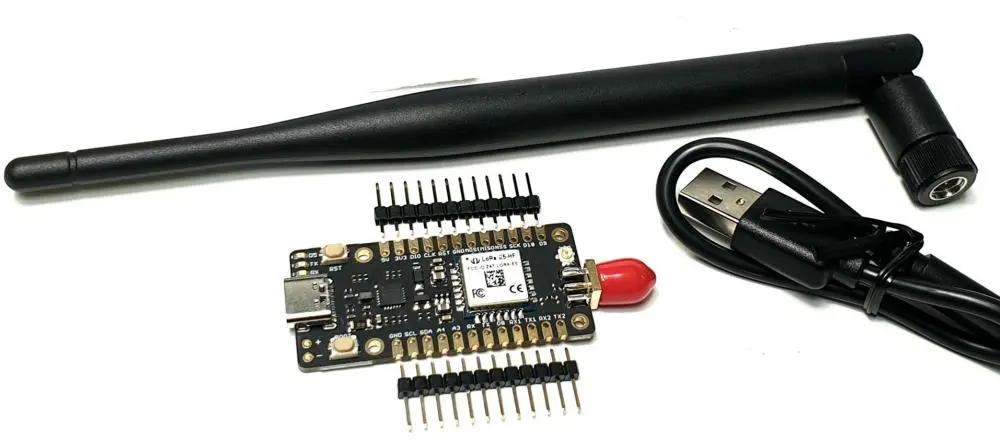
What is PCB Antenna?
A wide variety of antennas are available as off-the-shelf components, making them a convenient choice for engineers designing systems that require wireless communication. However, antennas used in PCBs can also be printed directly onto the board, enabling fully customized designs and unique architectures that integrate seamlessly into a single assembly. Additionally, PCB-mounted antennas, such as chip antennas or System-on-Chip (SoC) modules with integrated radios, may require either an antenna module or an off-the-shelf component to function effectively.
Whether the antenna is printed directly onto the PCB or sourced as a pre-made component, it is crucial for PCB designers to have a deep understanding of how antennas operate. Experienced designers will recognize that a PCB itself contains numerous elements that can unintentionally act as efficient antennas. In this article, we will explore some of the fundamental concepts behind antennas, providing engineers with the knowledge needed to design, select, and position antennas effectively in their projects.
How PCB Antenna Works
PCB antennas function based on the same principles as traditional antennas. They are designed to transmit and receive electromagnetic waves at specific frequencies. The key difference lies in their construction and integration with the circuit board.
Here’s a brief overview of how PCB antennas work:
- Signal Generation: The device’s circuitry generates an electrical signal.
- Conversion: The antenna converts this electrical signal into electromagnetic waves for transmission.
- Radiation: The electromagnetic waves are radiated into the surrounding space.
- Reception: For incoming signals, the process is reversed. The antenna captures electromagnetic waves and converts them back into electrical signals.
The specific design of the PCB antenna, including its shape, size, and placement on the board, determines its frequency range, radiation pattern, and overall performance.
PCB Antenna vs. Chip Antenna
When designing an RF system, engineers often need to choose between PCB antennas and chip antennas. Here’s a comparison of the two:
PCB Antenna
Advantages:
- Lower cost, especially in high volumes
- Can be customized for specific applications
- No additional components required
- Can achieve better performance in some cases
Disadvantages:
- Requires more PCB space
- Performance can be affected by other components and PCB layout
- May require more design and optimization time
Chip Antenna
Advantages:
- Very compact size
- Consistent performance across different devices
- Easier to implement, especially for inexperienced designers
- Less affected by nearby components
Disadvantages:
- Higher component cost
- Limited customization options
- May have lower performance compared to well-designed PCB antennas
- Requires a specific ground plane size for optimal performance
The choice between PCB and chip antennas depends on factors such as available space, design expertise, production volume, and performance requirements. In many cases, PCB antennas offer a good balance of cost, performance, and flexibility, making them a popular choice for many applications.

we partner with leading companies in numerous markets to deliver solutions for their most complex challenges.
Contact
- 6th Floor, Building A, Yiyuantong Industrial Park, No. 22, Zhonghao 2nd Road, Bantian Sub-district, Longgang District, Shenzhen City
- © Copyright 2025 by www.strongki.cn/